 Lahore 23°C
 Islamabad 20°C
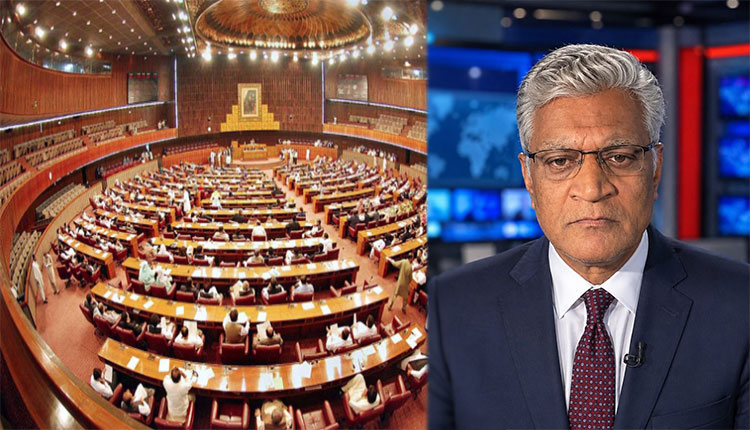
Following the theoretical definitions established in part one, this section dissects the objective challenges, institutional resistance, and systemic blockages that arise when attempting to enforce the rule of law within a developing state framework.
1. The Entrenchment of Institutional Friction
The most critical barrier to establishing the rule of law is the historic concentration of unguided executive power. When administrative institutions function based on personal dictation rather than codified statutory procedures, the pillar of Accountability collapses. Roving inquiries, selective accountability, and political engineering undermine the public trust, rendering oversight bodies weak and defensive.
2. The Opaque Veil: Barriers to Transparency
Although modern states introduce formal Right to Information (RTI) laws, systemic opacity remains a persistent issue. Government entities routinely shield public expenditures, resource allocations, and international contracts behind the veil of national security or administrative confidentiality. Without real-time access to verifiable public data, citizens cannot effectively exercise their right to Participation, turning public feedback into a hollow ritual.
3. The Slow Wheel of Justice: Legal Inefficiency
A judiciary cannot protect fundamental human rights or ensure Equity if the dispute resolution mechanism is structurally broken. Outdated legal frameworks, staggering case backlogs, procedural delays, and inadequate forensic infrastructure cripple the operational capacity of lower courts. When legal relief takes years to materialize, the rule of law is practically replaced by a system where might makes right.
4. The Crisis of Inclusivity and Resource Constraints
Implementing Effectiveness and Efficiency demands robust fiscal space and modern technical competence. Developing nations frequently face severe budgetary deficits that starve public healthcare, state education, and civic infrastructure. Consequently, marginalized sections of society are systematically excluded from human development pools, exacerbating inequality and defeating the core purpose of constitutional protection.