Business
Pakistan, Australia Discuss Trade and Investment Opportunities
the SIFC Secretary held an important meeting with Australian High Commissioner Timothy Kane and the Political-Economic Secretary

 Lahore 28°C
Karachi 30°C
Islamabad 28°C
Lahore 28°C
Karachi 30°C
Islamabad 28°C
the SIFC Secretary held an important meeting with Australian High Commissioner Timothy Kane and the Political-Economic Secretary
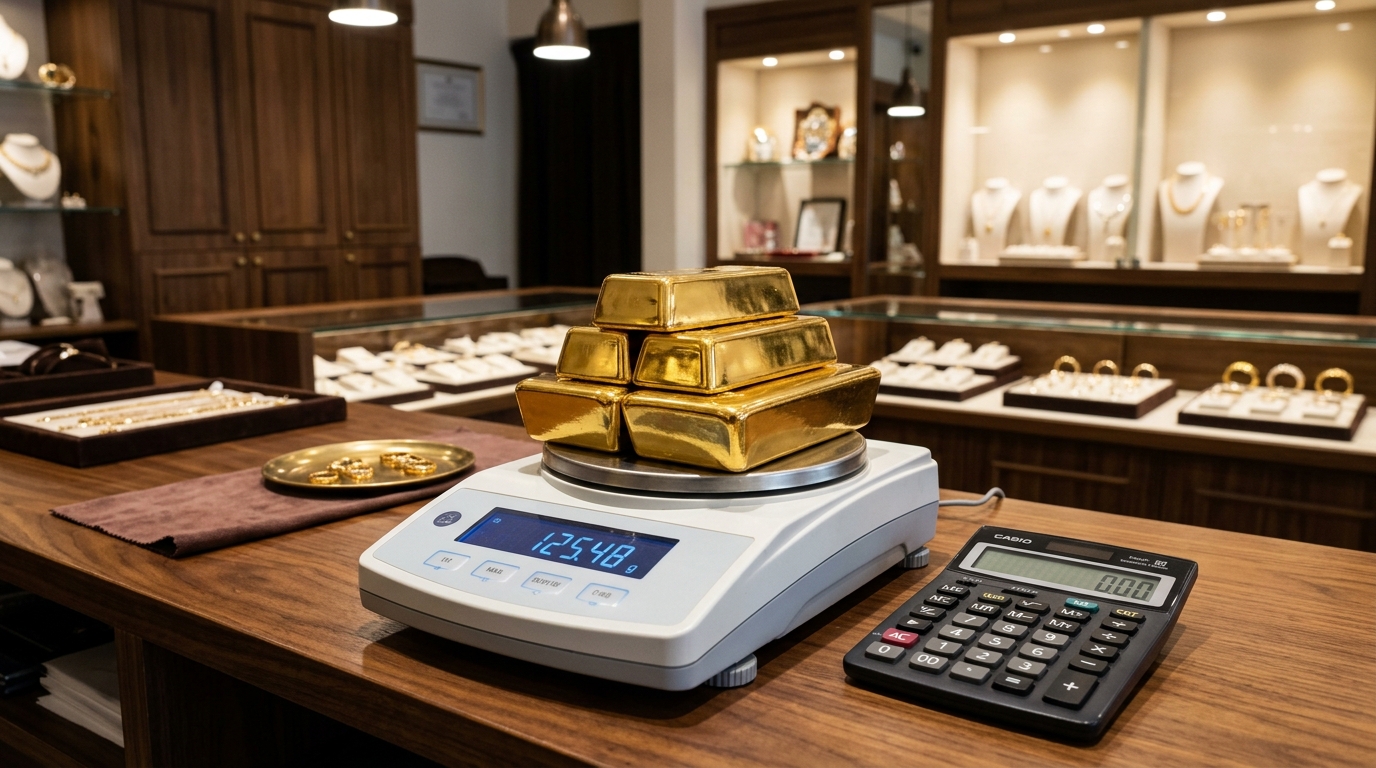
Check the gold price in Pakistan today, including 24K, 22K and 21K gold rates per tola. Learn how to calculate gold value before buying or selling.
Pakistan begins process to issue 5-year and 10-year dollar-denominated Eurobonds.
Annual Rate Reaches 9.66 Percent
Learn how salary tax is calculated in Pakistan, how annual taxable income and tax slabs work, and why monthly payroll deductions can vary.
Learn how Pakistan’s policy interest rate affects savings, loans, businesses, inflation, the rupee and the stock market, with Pakistan-specific examples.