
 Lahore 21°C
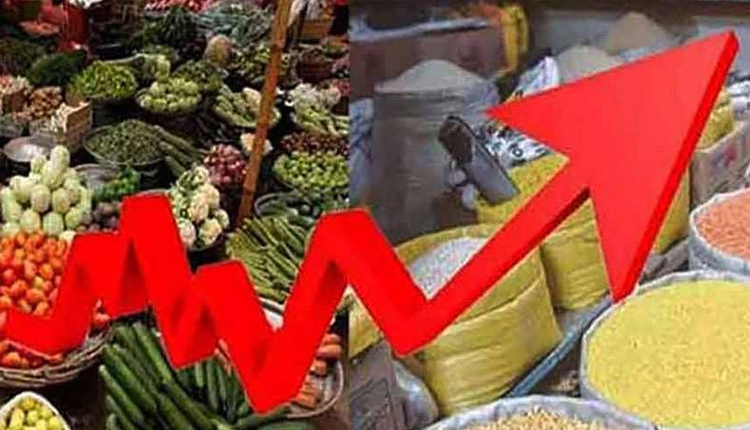
Islamabad: Inflationary pressures continued to affect consumers across Pakistan as prices of several essential commodities increased during the past week. According to the latest official data released by the Pakistan Bureau of Statistics (PBS), weekly inflation rose by 0.21%, while the annual inflation rate reached 11.53%.
The report revealed that prices of 20 essential items increased during the week, while 10 commodities became cheaper and rates of 21 items remained unchanged.
Chicken Prices Surge by 7.25%
Chicken recorded the most significant price increase during the week, rising by 7.25%, according to the official figures.
Among other essential commodities, prices of gram pulse increased by 1.30%, garlic by 1.85%, onions by 0.39%, and eggs by 0.72%.
Liquefied Petroleum Gas (LPG) prices also increased by 1.17%. Washing soap became 0.33% more expensive, while Irri rice prices rose by 0.55% and flour prices increased by 0.29%.
Petrol, Diesel and Sugar Prices Decline
Despite the increase in several food items, prices of some essential commodities registered a decline.
According to the PBS report, diesel prices decreased by 3.43%, while petrol prices fell by 0.65%.
Sugar prices declined by 1.05%, potatoes by 0.96%, tomatoes by 0.51%, mung beans by 0.63%, and masoor pulse by 0.42%.
Minor reductions were also recorded in the prices of powdered milk and gur (jaggery).
Annual Inflation Varies Across Income Groups
The official data also highlighted differences in annual inflation rates among various income groups.
For households earning up to Rs17,732 per month, the annual inflation rate stood at 9%.
The rate was recorded at 10.76% for the income group earning between Rs17,733 and Rs22,888 per month.
Meanwhile, households with monthly incomes ranging from Rs22,889 to Rs29,517 experienced an annual inflation rate of 9.40%.
For individuals earning between Rs29,518 and Rs44,175 per month, the rate stood at 9.81%.
The highest annual inflation rate among the reported income groups was recorded at 11.99% for households earning more than Rs44,176 per month.
The latest figures indicate that price pressures remain a concern for consumers, with several everyday commodities continuing to experience weekly price increases.