 Lahore 23°C
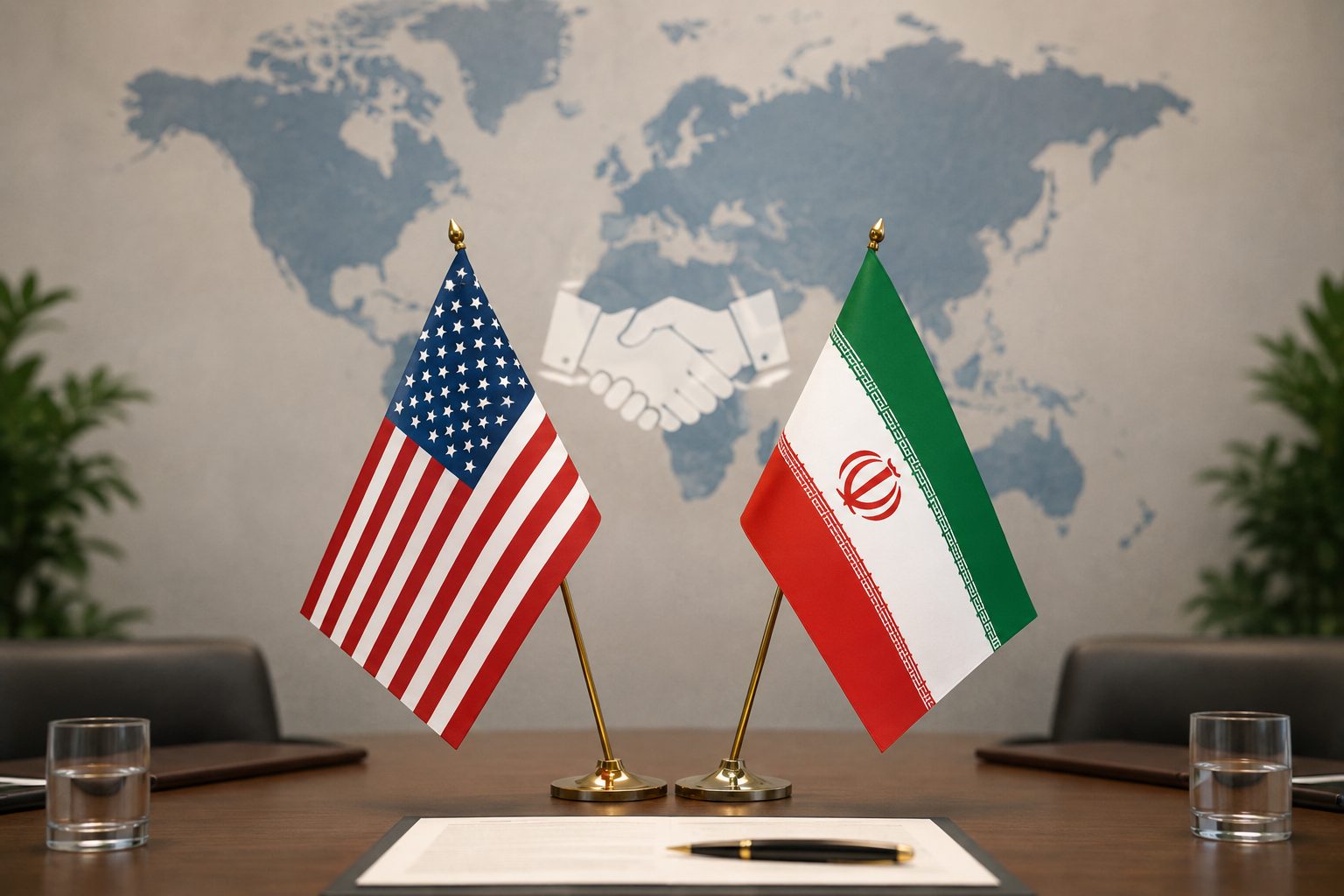
US-Iran Talks: Will a New Agreement Succeed Where the Islamabad Accord Failed?
The Middle East is once again at the center of international diplomacy as speculation grows about a possible understanding between the United States and Iran. According to various reports and political analyses, Washington has reportedly put plans for a major military strike on hold, with any further de-escalation believed to depend on Iran's willingness to enter a comprehensive agreement.
Analysts suggest that the reported framework could include conditions such as keeping the Strait of Hormuz open for international shipping and addressing concerns surrounding Iran's nuclear program. While these points have been widely discussed, no official agreement has been publicly confirmed.
The situation has drawn comparisons with the Islamabad Accord, an earlier agreement that ultimately failed to achieve its intended objectives despite being formally signed. That experience raised an important question: do Iran's elected government and the Islamic Revolutionary Guard Corps (IRGC) always pursue the same strategic objectives, or do differences in priorities and decision-making affect the implementation of international agreements?
Political observers note that, in the past, there have been instances where the positions of Iran's civilian leadership and the IRGC appeared to differ, creating uncertainty about the country's long-term commitments. For this reason, many believe that the success of any future agreement will depend not only on diplomatic negotiations but also on internal policy coordination and consistent implementation.
At present, there has been no official confirmation of a finalized agreement. Nevertheless, diplomatic efforts aimed at reducing tensions continue, and the international community is closely monitoring developments. Whether a new understanding can deliver lasting regional stability remains uncertain.
The hope shared by people across the world is that diplomacy will prevail over conflict, military confrontation will be avoided, and the Middle East can move toward lasting peace, stability, and economic cooperation.