
 Lahore 25°C
Pakistan Faces Rising Heat and Climate Risks as Government Accelerates National Adaptation Planning
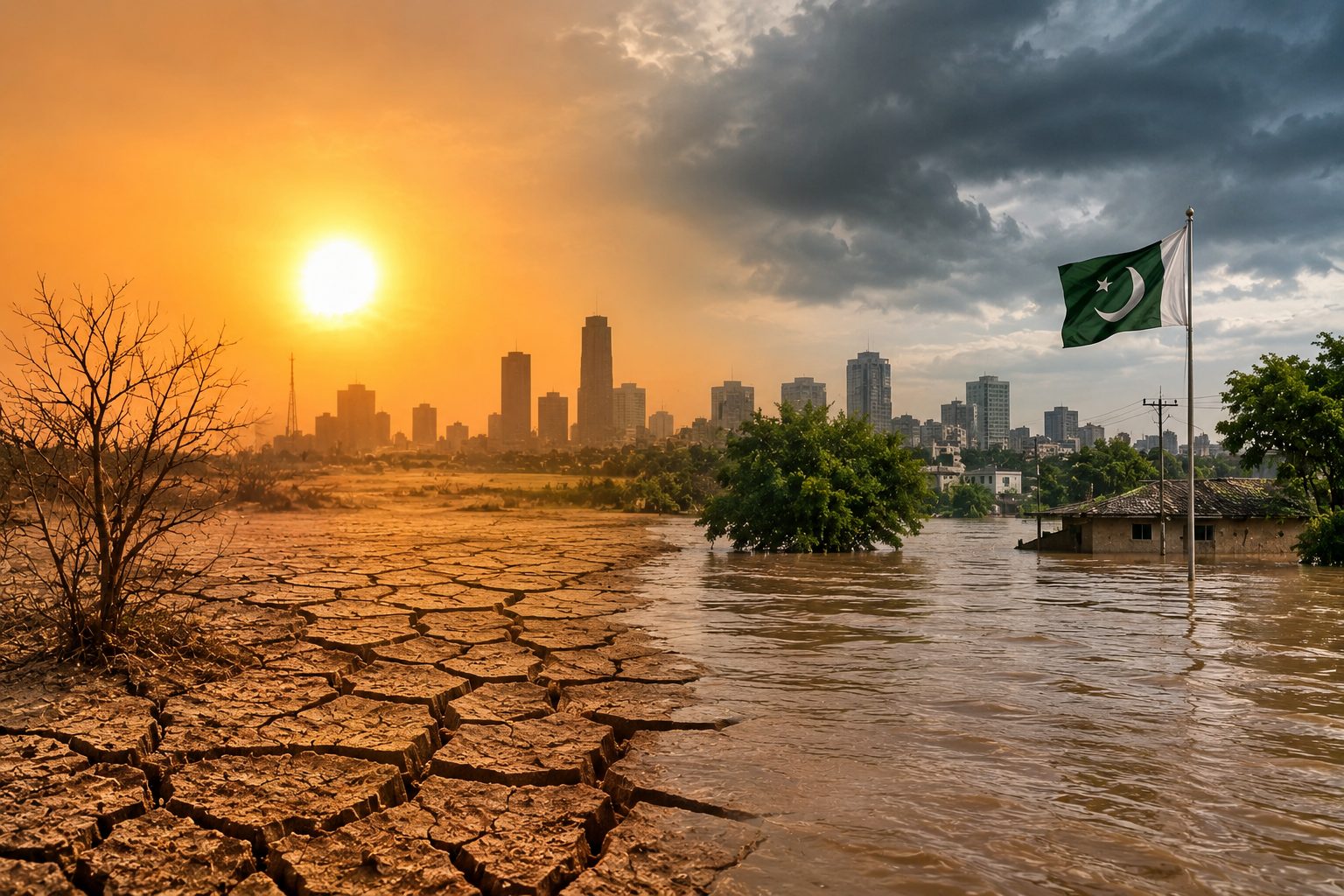
ISLAMABAD: With climate change driving rising temperatures, intense heatwaves, floods, droughts and other weather-related hazards across Pakistan, the government has stressed the need to strengthen and accelerate national climate adaptation measures.
According to details provided by Climate Change Minister Musadik Masood Malik, the impacts of climate change are becoming increasingly evident across Pakistan, with temperatures continuing to rise in different parts of the country. Globally, extreme heat events are also becoming more frequent, making advance planning and effective adaptation strategies essential for climate-vulnerable countries such as Pakistan.
According to the government, the rising temperatures in Pakistan are being driven not only by global climate change but also by several local factors. These include rapid urbanisation, the growing urban heat effect, declining forest cover, changes in land use and other shifts in the climate system. Such factors are affecting both daytime and nighttime temperatures, increasing exposure to extreme heat among urban and rural populations.
National Adaptation Plan Considered Critical
Against the backdrop of growing climate risks, the government has identified the National Adaptation Plan (NAP) as a key strategic framework for addressing the country's climate vulnerabilities.
According to the document, the plan aims to strengthen institutional capacity, identify climate-related risks, improve preparedness and coordinate adaptation measures across different sectors.
The National Adaptation Plan takes into account a range of climate hazards, including extreme heat, unusually heavy rainfall, floods, glacier melt and Glacial Lake Outburst Floods (GLOFs). It identifies measures to reduce climate risks in critical sectors including food, health, agriculture, water, energy and urban planning.
The government has also emphasised the need to improve climate information and forecasting systems so that relevant institutions and communities can receive timely warnings ahead of extreme weather events. Strengthening coordination and information sharing between the Pakistan Meteorological Department and relevant national and provincial institutions is also being prioritised.
Local-Level Measures to Address Extreme Heat
The document highlights the critical role of provincial and local governments in reducing the impacts of extreme heat. Measures such as tree planting, expanding urban green spaces, heat-resilient urban planning and protecting vulnerable populations are needed to reduce temperatures and improve resilience in cities.
Providing timely public information during periods of extreme heat, promoting precautionary measures during heatwaves and ensuring that healthcare facilities are prepared to respond to emergencies are also included in the broader adaptation strategy.
Government planning also emphasises greater collaboration with the health sector to address climate-related diseases and health risks, raise public awareness about climate hazards and strengthen urban infrastructure so that it can better withstand the impacts of climate change.
Climate Change: A Growing Challenge for Pakistan
According to the document, climate change is not simply a problem of rising temperatures. Its effects are extending across almost every major sector, including water, agriculture, health, food security, energy and urban life. Rising temperatures, changing rainfall patterns and other extreme weather events are creating additional risks for Pakistan.
The government has also stressed that effective coordination among federal, provincial and local institutions is essential for addressing climate-related risks. Timely responses, stronger institutional systems and preparedness at the local level can play a fundamental role in reducing climate-related losses.
Experts say Pakistan's challenge is no longer simply to respond to the impacts of climate change, but to prepare for them in advance. With rising temperatures, changing rainfall patterns and increasing climate-related hazards, effective implementation of the National Adaptation Plan has become an urgent national priority.