
 Lahore 21°C
 Karachi 28°C
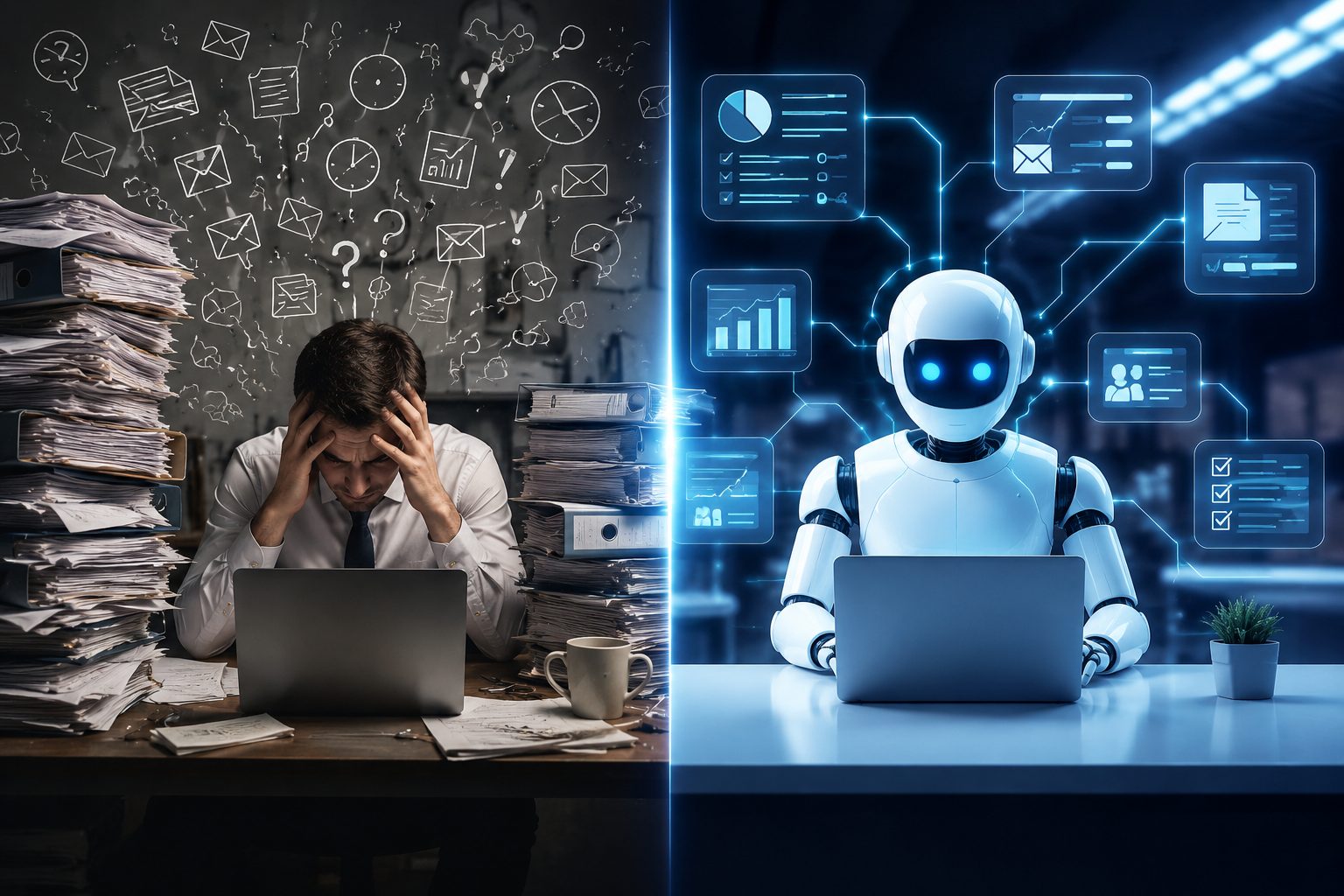
The world is changing rapidly, and one of the biggest driving forces behind this transformation is Artificial Intelligence (AI). We are living in an era where technology is no longer just a source of convenience—it has become the foundation of progress, education, employment, and economic growth. For this reason, understanding and learning AI has become more important than ever for students, teachers, professionals, and ordinary citizens alike.
In the past, the transfer of knowledge was very different. A person would acquire an education, work with the same knowledge for many years, and then pass it on to the next generation. Basic knowledge remained relevant for decades with only gradual changes. Today, however, the situation is entirely different. Technology evolves every few months, and this pace of change is expected to accelerate in the future. In such an environment, relying solely on existing knowledge is no longer enough. The habit of continuous learning has become essential for success.
Artificial Intelligence is not only beneficial for computer science students or technology experts—it has practical applications across every profession. Doctors can use AI to improve medical diagnosis, teachers can adopt innovative teaching methods, engineers can solve complex problems more efficiently, business leaders can make smarter decisions based on data, and farmers can use AI to improve agricultural planning and productivity. In short, AI has the potential to enhance efficiency, speed, and quality across virtually every field.
Today, leading companies around the world increasingly value individuals who know how to use AI effectively. AI saves time, simplifies complex tasks, analyzes large amounts of data, and helps generate new ideas. Those who develop AI-related skills will have greater employment opportunities, find it easier to learn new competencies, and be better prepared to adapt to an ever-changing world.
On the other hand, individuals who choose to ignore modern technologies, especially AI, may face significant challenges in the future. Many jobs are becoming automated, and roles that once relied solely on traditional skills are gradually evolving. Those who fail to acquire new skills may find their career opportunities becoming more limited. Rather than saying AI will replace everyone, it is more accurate to say that people who refuse to learn and adapt may struggle to meet the demands of the future workplace.
However, it is equally important to understand that AI is not a replacement for human intelligence it is a powerful tool that enhances human capabilities. Success in the future will depend not only on using AI but also on combining it with critical thinking, creativity, ethical judgment, effective communication, and problem-solving skills. Those who integrate these uniquely human abilities with AI will be in the strongest position to succeed.
AI should also be used responsibly and ethically. Information generated by AI should always be verified, and users should continue to develop their own creativity and independent thinking. When used wisely, AI can contribute significantly to education, research, innovation, healthcare, business, and social development.
In conclusion, learning Artificial Intelligence is no longer just an option it is becoming a necessity. Those who begin learning AI today will not only improve their career prospects but also contribute to the advancement of their communities and countries. The future belongs to those who are willing to learn, adapt, and embrace new technologies in a positive and responsible manner. Rather than fearing AI, we should understand it, master it, and use it to create a better future for ourselves and society.