 Lahore 25°C
 Islamabad 24°C
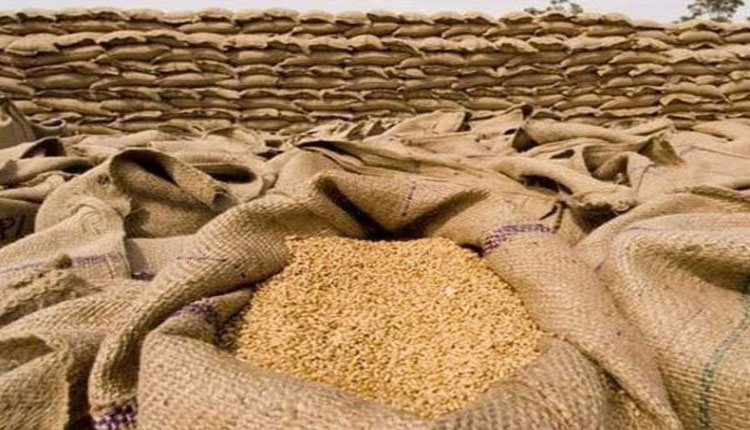
ISLAMABAD: For decades, Pakistan stood as a proud agrarian economy, blessed with one of the world’s largest contiguous irrigation systems and vast stretches of fertile, cultivable land. Historically, the country produced export-quality agricultural goods, establishing itself as a major regional exporter of corn, rice, and fresh fruits. Today, however, a stark structural shift has left the nation struggling to feed its own population—forcing the federal government to spend scarce foreign exchange importing its most basic staple: wheat.
The root of this agricultural decline lies heavily in unchecked urbanization and the absence of a cohesive land-use and construction policy. Across Punjab and Sindh, prime agricultural plains have been rapidly paved over into sprawling concrete housing societies and commercial developments. As fertile farmland shrinks and the population continues to expand, domestic food production can no longer keep pace with local demand.
The Economic Toll: Subsidies, Inflation, and the Rs. 30 Roti
Importing basic food commodities places an immense financial burden on an already fragile economy. When the state imports wheat at international market rates, it faces a painful policy dilemma:
1. Heavy Fiscal Subsidies: Either the government must absorb the cost by providing massive subsidies to keep flour affordable for low-income households—widening the fiscal deficit—or;
2. Direct Consumer Inflation: Pass the actual cost onto the public, triggering severe food inflation across the supply chain.
This supply-and-demand crunch is already hitting the dining tables of ordinary citizens. Due to dwindling domestic wheat stocks, the price of a single roti (flatbread)—already steep at Rs. 25—is now projected to climb toward Rs. 30, placing basic nutrition further out of reach for daily wage earners.
TCP Issues Third International Tender for 800,000 Metric Tons
To bridge this critical demand-and-supply gap and stabilize domestic flour markets ahead of the winter peak, the federal government has decided to import 800,000 metric tons of wheat. The Trading Corporation of Pakistan (TCP) has officially issued its third international tender, inviting bids from global grain suppliers.
Key terms and strict operational parameters outlined in the TCP tender documents include:
Bidding Timeline: Global suppliers must submit their bids by November 30, with technical bids scheduled to be opened at 2:30 PM the same day. Participating firms must submit a minimum offer of 50,000 metric tons.
Supplier Eligibility & Geopolitical Restrictions: Bidders must possess at least five years of export experience and have exported a minimum of 50,000 tons of wheat during that timeframe. Importing wheat from India, Israel, and other prohibited countries is strictly barred. Furthermore, companies operating in war-affected regions are required to offer supplies sourced from alternative, stable countries.
Strict Quality Standards: The imported grain must be harvested from the new 2026 crop, meeting strict benchmarks: a maximum moisture content of 14.5%, a minimum protein level of 10%, and at least 23% wet gluten. Substandard shipments face outright rejection, while contracts will be awarded strictly on the basis of the lowest overall cost.
Phased Shipment Schedule and Delivery Penalties
To ensure a steady inflow of grain into the national supply chain, the TCP has structured the delivery into two rapid phases:
Phase One: 400,000 metric tons must be dispatched to Pakistan between December 25, 2026, and January 5, 2027.
Phase Two: The remaining 400,000 metric tons must be shipped between January 6 and January 15, 2027.
All 800,000 metric tons must arrive at the ports of Karachi or Gwadar by February 15, 2027. To prevent logistical delays, suppliers will face a late-delivery penalty of 25 US cents per ton per day. Additionally, the TCP has retained a 10% upward or downward tolerance clause, enabling the government to adjust the final import volume depending on domestic stock assessments.
The Way Forward
While the 800,000-ton import tender provides temporary relief to cool down rising flour and roti prices, experts warn that emergency imports are merely a short-term bandage. Without strict zoning laws to halt the conversion of fertile farmland into real estate, alongside modern seed technology and water conservation reforms, Pakistan risks remaining permanently dependent on foreign grain to feed its people.