
 Lahore 23°C
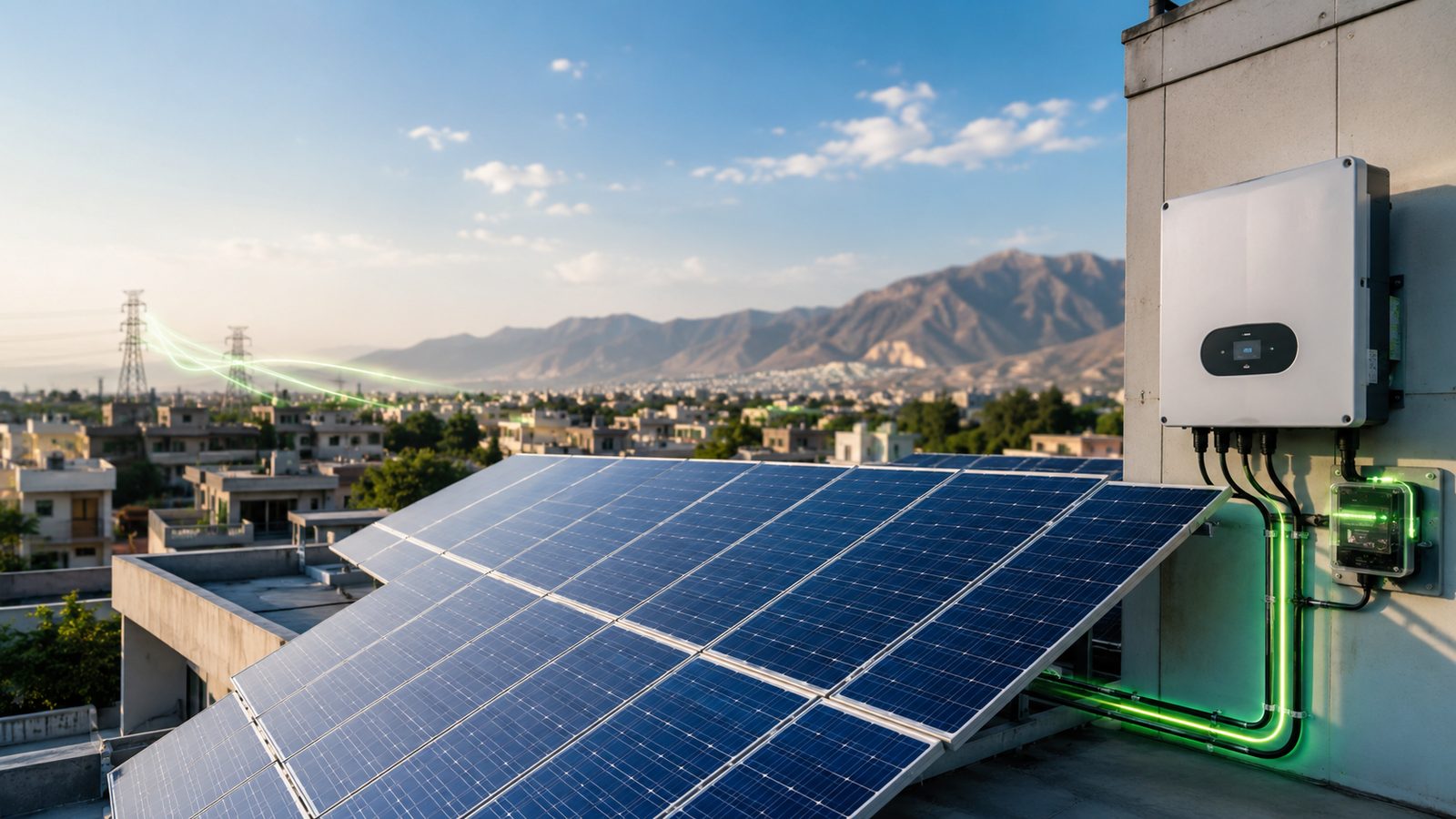
So your neighbor installed solar panels, your electricity bill still feels like a small mortgage payment, and every WhatsApp group in your family is arguing about whether net metering is "still worth it" in 2026. Here's the good news: it doesn't have to be confusing. Pakistan's rules around rooftop solar just went through a genuine overhaul, and once you understand the shift, the whole picture clicks into place. We're breaking this down properly for you, without the jargon that makes solar sound like rocket science.
A quick note before we start: the regulatory changes below come from official NEPRA notifications and mainstream news coverage. A few specific rupee figures and timelines are industry estimates from solar installers rather than confirmed government numbers, and are marked as such below.
Wait, What Even Is Net Metering?
Picture your electricity meter as a scoreboard. Under the old system, introduced back in 2015, if your rooftop panels sent 100 units to the national grid while you were at work, and you pulled 100 units back at night to run the fridge and fans, your bill landed at zero. One unit exported wiped out one unit imported. Simple, generous, and honestly a huge reason rooftop solar capacity in Pakistan shot up dramatically over a decade, with industry estimates putting rooftop capacity in the thousands of megawatts by 2026.
The Big Twist: Net Billing Has Arrived
On February 9, 2026, NEPRA officially notified the Net Metering Regulations 2026, scrapping that old one-to-one exchange and replacing it with something called net billing. Sounds like a small wording change. It isn't.
Under net billing, exports and imports are no longer valued the same way. You still send surplus electricity to the grid, but you get paid the National Average Energy Purchase Price for it. NEPRA's own notification does not fix this at a specific rupee figure, since it moves with national energy pricing, but solar installers are currently estimating it at roughly Rs. 11 to 13 per unit. Meanwhile, the electricity you pull from the grid still costs you the full retail rate, which for many residential users in cities like Karachi sits well above that, often Rs. 55 to 65 per unit. That gap is steep, and it means the "export everything, import at night" strategy that made solar a no-brainer under the old rules just doesn't pay off the way it used to.
Compensation is also now settled quarterly rather than monthly, and new net metering contracts are capped at five years before they come up for renewal.
Were You Already on Net Metering? You're Safe
Here's the part that eases a lot of anxiety. If you signed your net metering agreement before February 9, 2026, NEPRA has confirmed you keep your existing terms. The regulator amended its Solar Regulations 2026 specifically to protect current users, meaning your billing arrangement, your rate, and your contract continue exactly as agreed until it expires. The catch is that expanding your existing system doesn't automatically carry the same protection, so if you're thinking of adding more panels, check with your DISCO first before assuming the old rate applies to the extra capacity.
So How Do You Actually Apply Now?
The application steps haven't changed dramatically, just the fine print at the end.
1. Hire a NEPRA-registered installer who can design your system and prepare the single-line schematic diagram your DISCO will need.
2. Submit your application through your DISCO (LESCO, IESCO, MEPCO, K-Electric, and so on) along with your CNIC, a recent electricity bill, and your system specifications.
3. Pay the demand notice. NEPRA briefly introduced a licensing fee of Rs. 1,000 per kilowatt, but on April 28, 2026 it waived this fee entirely for systems up to 25kW, applied retroactively to February 9, 2026. So if your system is 25kW or smaller, which covers most homes, you don't pay this fee at all. Larger commercial or industrial systems above 25kW still pay Rs. 1,000 per kilowatt.
4. Get inspected. A DISCO engineer checks your setup, including surge protection devices on both the DC and AC sides, and issues a compliance certificate once everything meets code.
5. Get your bi-directional meter installed. This is the meter that actually tracks what you export versus what you import. Installers commonly quote a cost in the range of Rs. 18,000 to 20,000 for this, though it's worth confirming the current price with your DISCO directly since this isn't a NEPRA-fixed figure.
Installers commonly quote a timeline of around four to six weeks from application to a working meter, though this can vary by DISCO and season.
Is Solar Even Worth It Anymore?
Genuinely, yes, but the strategy needs to change. Under net billing, exporting huge amounts of surplus power isn't where the value is anymore. Self-consumption is. The households and businesses coming out ahead are the ones sizing their systems around what they actually use during daylight hours rather than chasing maximum export capacity.
That's part of why hybrid solar systems, the kind that let you use solar directly, store extra power in batteries, and only fall back on the grid when needed, are becoming the go-to choice. They reduce your dependence on the lower buyback rate entirely, and they keep essentials running during load shedding as a bonus. Solar installers are currently estimating payback periods of around three to five years for a well-sized residential system built with self-consumption in mind, which honestly isn't bad given how unpredictable grid tariffs have been, though your actual payback will depend heavily on your household's usage pattern and system size.
The Bottom Line
Net metering as Pakistan knew it in 2015 is gone for new applicants, replaced by net billing with a much wider gap between what you pay to import and what you earn to export. If you locked in your agreement before February 9, 2026, breathe easy, your terms hold. If you're applying fresh, the smart move is to size your system for your own daytime usage rather than dreaming of a zero bill through exports, and to seriously consider a hybrid setup if backup power during outages matters to you. The rules changed, but the math still works if you plan around it instead of against it.