 Lahore 21°C
 Karachi 28°C
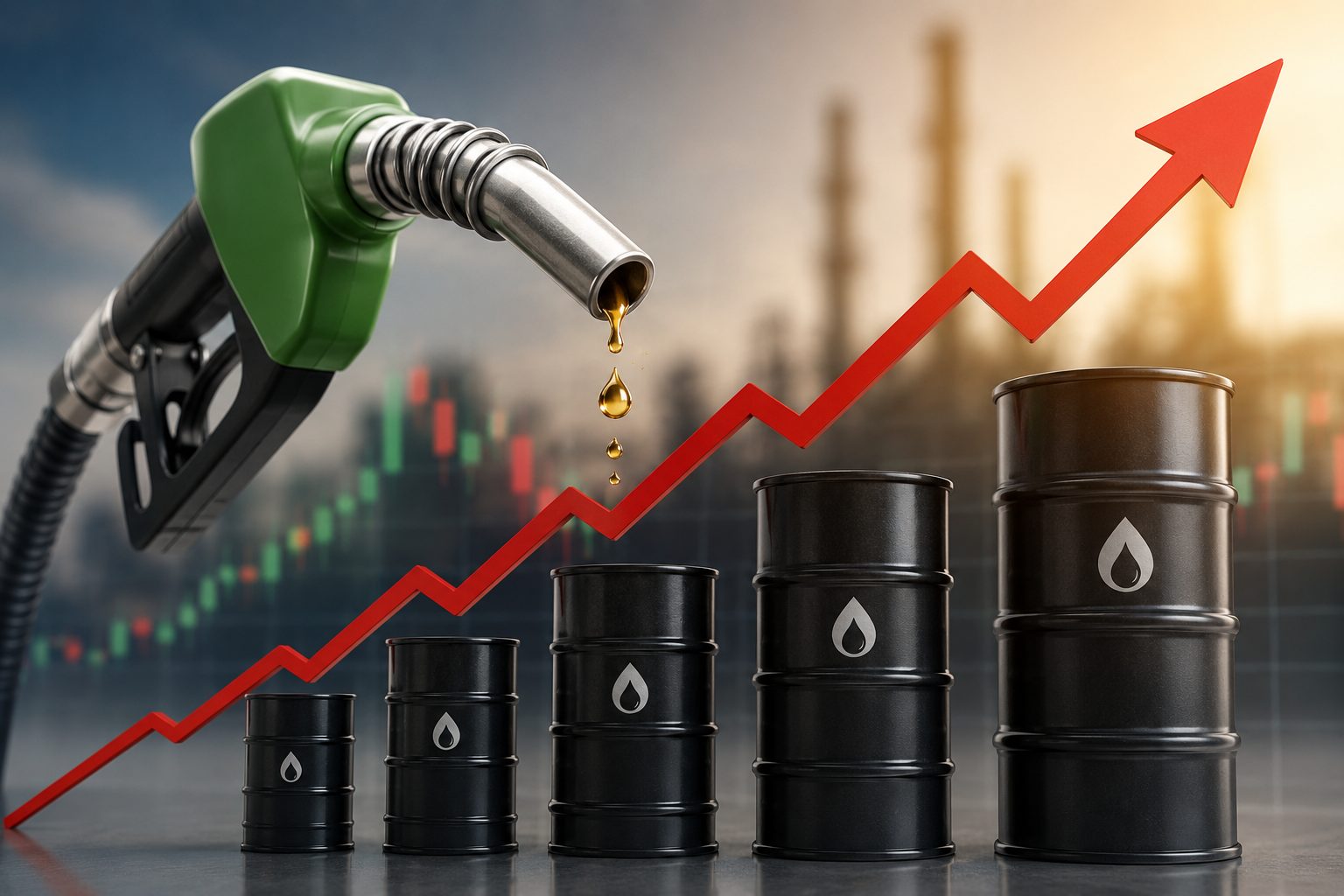
Every time the government announces a hike in petrol or diesel prices, many Pakistanis ask the same question: if the country does not import crude oil every day, why do fuel prices keep changing? The answer lies in how the global oil market, exchange rates, taxation, and government pricing policies work.
Pakistan imports a significant portion of its petroleum needs through bulk shipments that arrive periodically rather than daily. However, the prices consumers pay at fuel stations are linked to international oil prices, freight charges, the value of the Pakistani rupee against the US dollar, and government taxes and petroleum levies. Even when no new shipment arrives, changes in these factors can lead to revised fuel prices.
The government's policy of reviewing petroleum prices regularly is intended to reflect global market trends and reduce the financial burden of fuel subsidies on the national budget. While this approach helps manage fiscal challenges, it also transfers the impact of international price fluctuations directly to consumers.
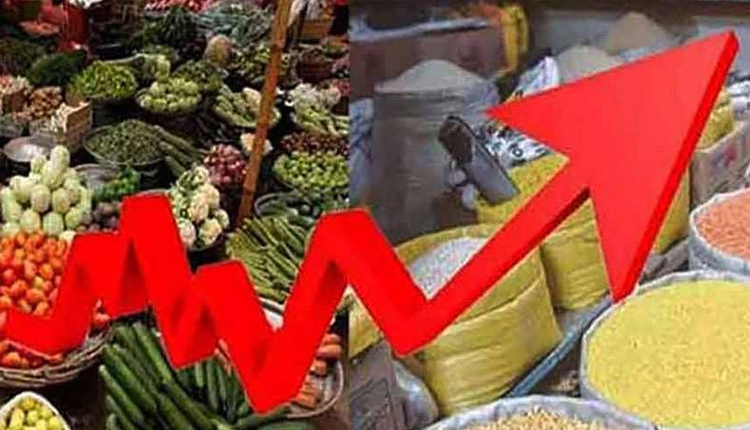
For the common man, the consequences are immediate and far-reaching. Higher fuel prices increase transportation costs, which eventually raise the prices of vegetables, food items, medicines, and other essential commodities. Public transport fares rise, businesses face higher operating expenses, and inflation erodes household purchasing power. Salaried employees and daily wage earners often find it difficult to keep pace with the rising cost of living.
Economists argue that a transparent pricing mechanism is necessary for economic stability, but they also stress the importance of targeted relief for low-income households. Better public transport, efficient energy policies, and measures to stabilize the currency could reduce the pressure on consumers over time.
As fuel prices remain closely tied to global economic conditions, Pakistan's challenge is to balance fiscal responsibility with protecting ordinary citizens from the harsh effects of inflation. Achieving that balance will remain one of the country's most pressing economic priorities.