Pakistan’s Interest Rate Explained: What It Means for Savings, Loans, Businesses and the Rupee
Learn how Pakistan’s policy interest rate affects savings, loans, businesses, inflation, the rupee and the stock market, with Pakistan-specific examples.
Lahore 31°C
Karachi 38°C
Islamabad 29°C
Learn how Pakistan’s policy interest rate affects savings, loans, businesses, inflation, the rupee and the stock market, with Pakistan-specific examples.
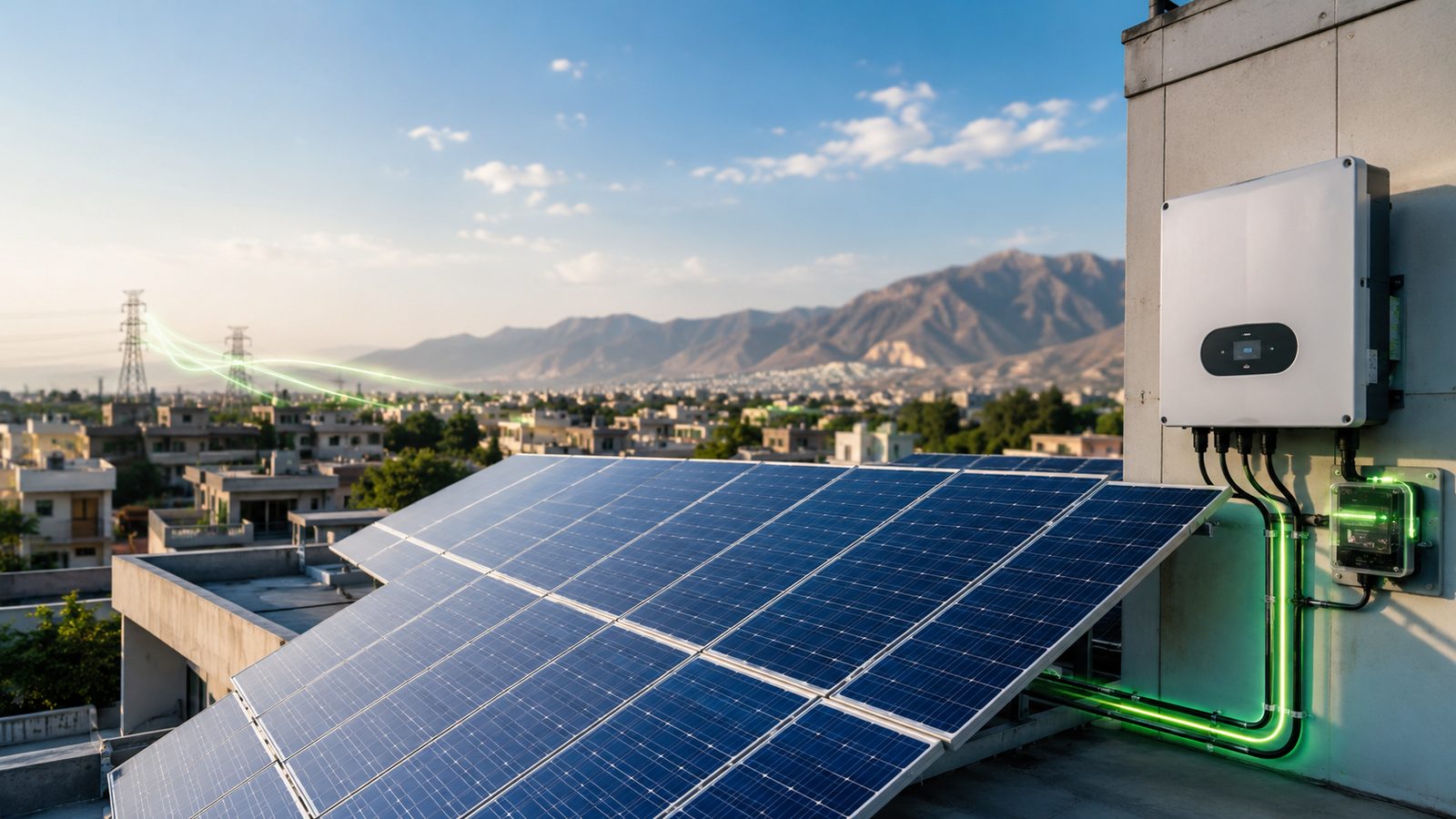
Pakistan has replaced the old one-for-one net metering system for new applicants with net billing. Solar users now receive a lower rate for electricity exported to the grid while paying full retail prices for imported electricity. Existing agreements signed before February 9, 2026 remain protected until expiry. Solar can still be worthwhile, but new users should focus on daytime self-consumption, appropriate system sizing and hybrid solutions with battery storage.
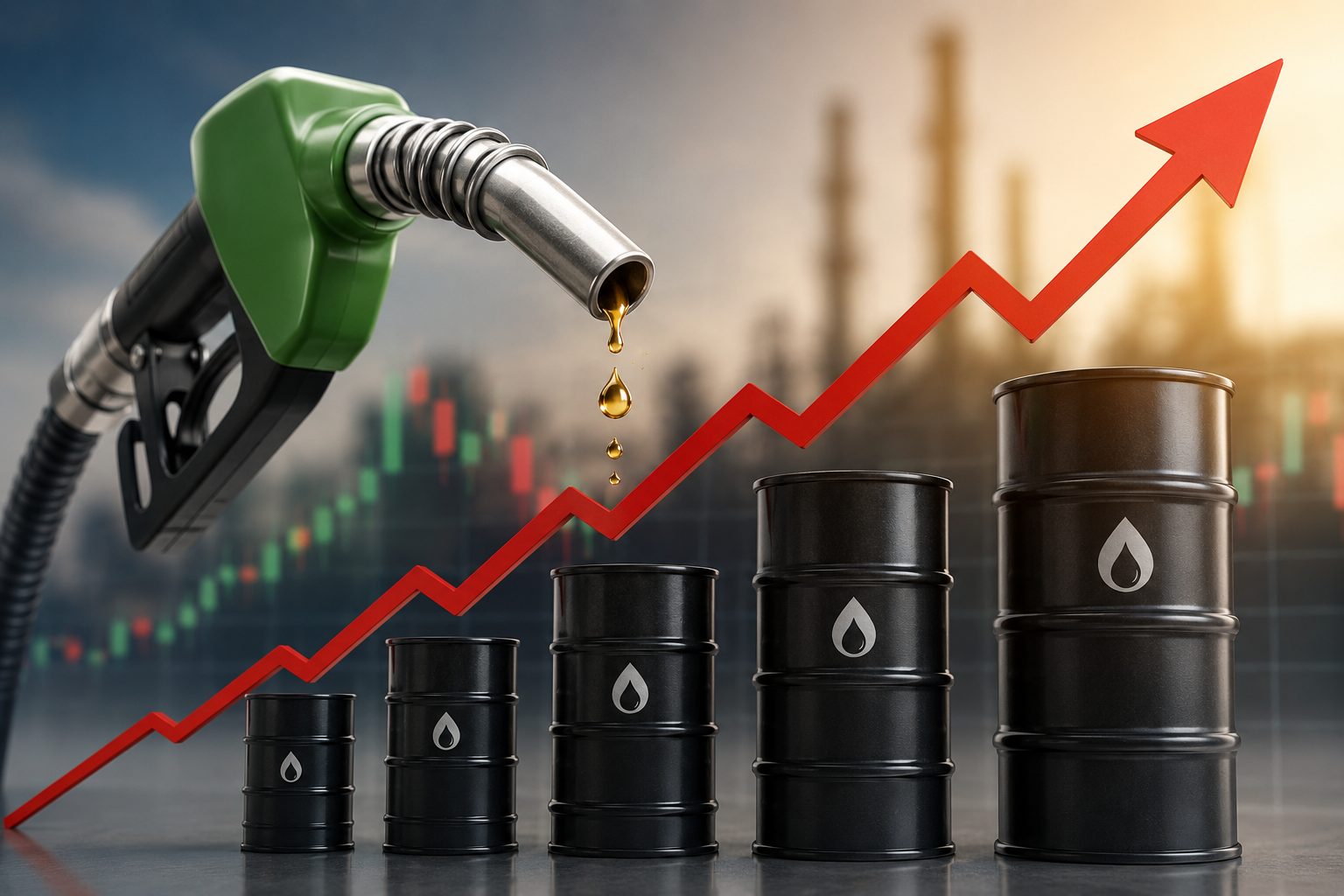
Explore why fuel prices in Pakistan increase despite the country not importing oil every day, and how frequent price revisions affect inflation, transport, and the daily lives of ordinary citizens.
The All Pakistan Petroleum Dealers Association has announced an indefinite nationwide strike from July 23 after negotiations with the government over dealer margins and daily fuel pricing failed.
Why do electricity bills in Pakistan remain high despite tariff increases and power-sector reforms? We examine circular debt, capacity payments, electricity theft and the growing shift towards solar energy.
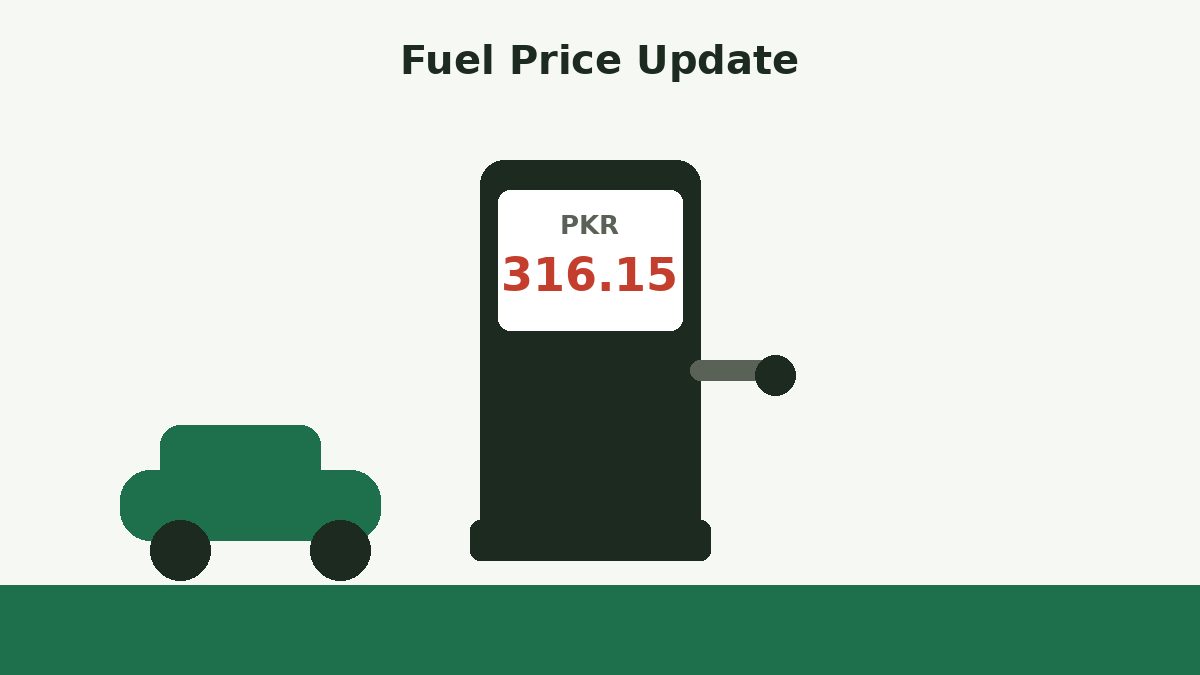
Pakistan has raised petrol to Rs316.15 and diesel to Rs354.35 per litre while shifting towards daily fuel pricing. Will the new system improve transparency or expose consumers to greater volatility?